


The UK is entering a busy period for infrastructure delivery. The roads, water and energy sectors are all moving through major investment cycles. Each sector has its own policy objectives and delivery model, but will draw on overlapping skills, suppliers and materials.
As investment accelerates to meet the UK economy's needs, infrastructure delivery bodies will need to maintain a strong focus on shared risks, including competition for specialist skills and resources across sectors. This raises an important question:
As infrastructure investment scales to 2030 and beyond, where are sectors competing for the same skills, and what could that mean for delivery?
Our latest report for National Highways and the Office of Rail and Road (ORR), prepared by CEPA with Elliott Asset Management (EAM), assessed the readiness of National Highways' supply chain to deliver the third Road Investment Strategy (RIS3, covering 2026-31). This blog focuses on one finding from our report: where growing demand for transferable infrastructure skills could affect highways supply chain delivery readiness.
Informed by comprehensive supplier engagement, we found that highways suppliers were broadly confident in delivering RIS3 and tended to see competition for resources with other infrastructure sectors as a secondary risk overall, but concerns were sharper in roles with transferable skills.
Highways suppliers see the strongest skills competition with water and electricity
Our research combined a supplier survey with interviews and workshops involving National Highways, major suppliers and organisations across wider infrastructure sectors.
Surveyed highways suppliers most often pointed to water and electricity as providing the greatest competition with RIS3 for skills and resources. This is notable because more respondents work in other transport sectors, including other roads and rail, than in water or electricity.
This suggests that the greatest skills pressure may come not from the markets highways suppliers know best, but from sectors with both major investment programmes and demand for similar specialist capabilities.
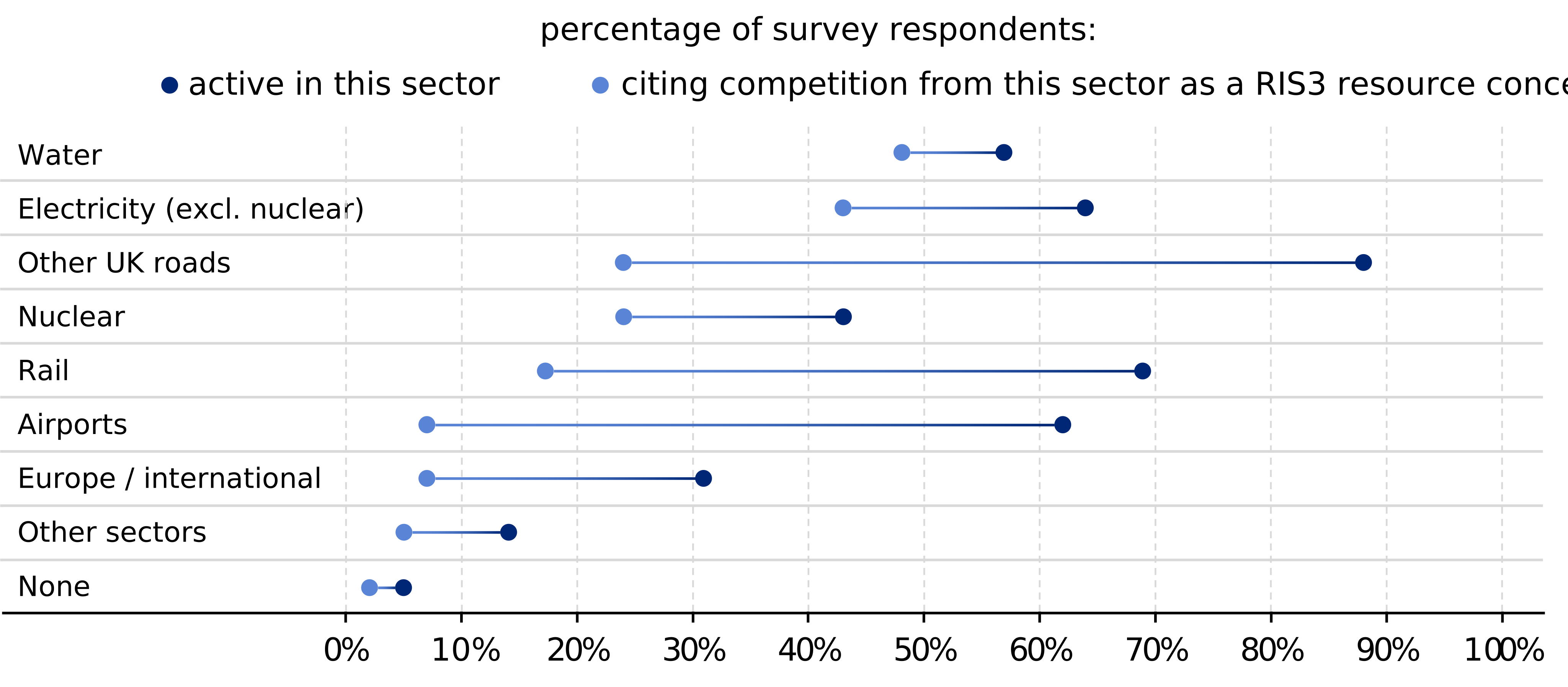
These findings align with the wider investment picture. AMP8, covering 2025-30, is the English and Welsh water sector's largest ever investment round. Total expenditure allowances determined by Ofwat are 71% higher than for AMP7, and funding described as new investment is expected to quadruple.1 Similarly, the Department for Energy Security and Net Zero (DESNZ) estimates that achieving clean power by 2030 will require annual capital investment of around four times the 2020-24 average in real terms.2
Overlapping skills demand is focused on specific parts of the highways supply chain
Our study points to the strongest cross-sector demand being for civils, technology, and professional and design services. These areas rely on engineering, electrical, digital, design and project management skills that are also in demand across energy, water and transport. This overlap could constrain delivery.
Suppliers also identified structures, tunnels, joints and waterproofing as exposed because they rely on transferable engineering skills. More highways-specific work, such as pavement and traffic management, appears less exposed to cross-sector skills competition. However, suppliers still reported recruitment challenges for some operational roles, particularly night-shift work.
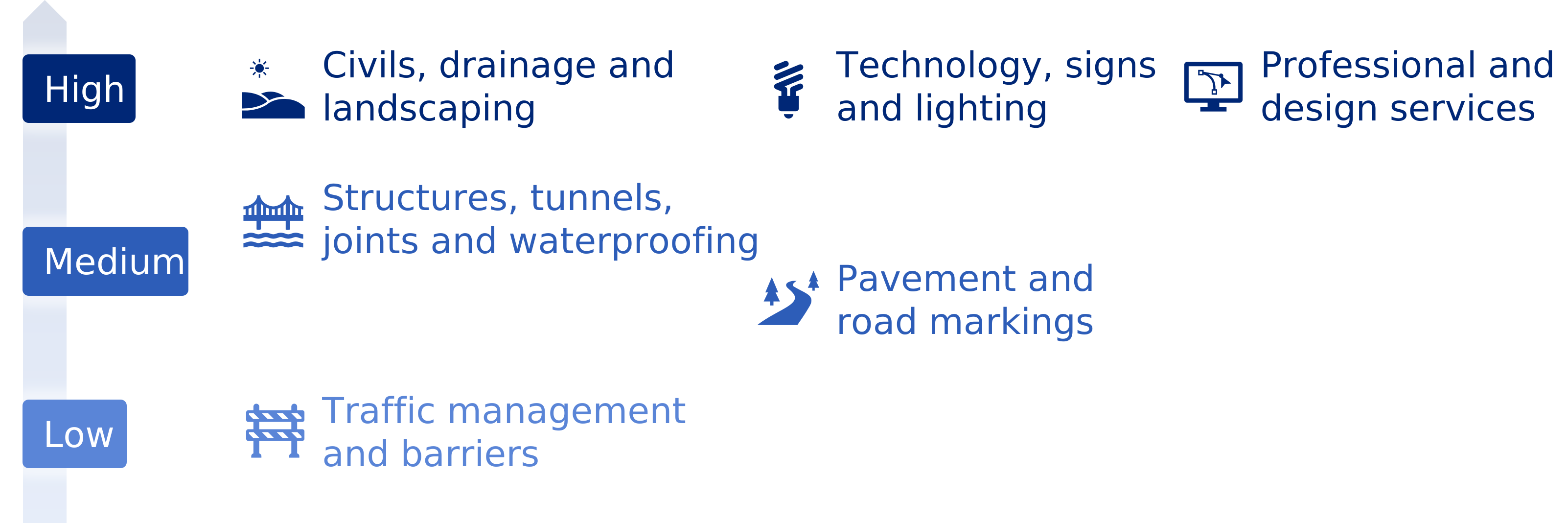
Evidence from other sectors supports this picture. DESNZ's latest assessment of renewable electricity supply chain readiness identifies engineering, design, electrical and other skilled trades as areas at risk of shortage for clean power delivery.3
This assesses exposure to skills pressure rather than overall delivery risk. Our full report considers wider readiness risks and notes that National Highways already has measures in place to manage resource pressures. For RIS3, the challenge is more likely to be recruitment and retention among appointed suppliers than upfront market participation.
The Competition and Markets Authority's (CMA's) recent UK-wide study of the road and rail civil engineering market also points to a link between skills, pipeline certainty and investment. It notes that skills-shortage vacancies across the civil engineering sector rose to 5,900 in 2024, up 84% from 2022.4 The CMA also notes that uncertain future work can discourage investment in skills, capacity and innovation. Suppliers in our research made similar points, linking visibility of the three-to-five-year pipeline to recruitment, training and investment decisions. As one supplier noted:
'Companies will allocate capital to the most attractive markets with the best visibility and commitment.'
- Large highways supplier
Regional labour markets may face uneven pressure
Geography matters too. Planned Scheme Delivery Framework 2 (SDF2) activity, which spans RIS3 and RIS4, is expected to be spread fairly evenly across England. By contrast, published evidence suggests energy skills growth and AMP8 water investment may be more concentrated in the South and East. This means pressures could affect recruitment, retention or mobilisation in particular places, rather than uniformly.
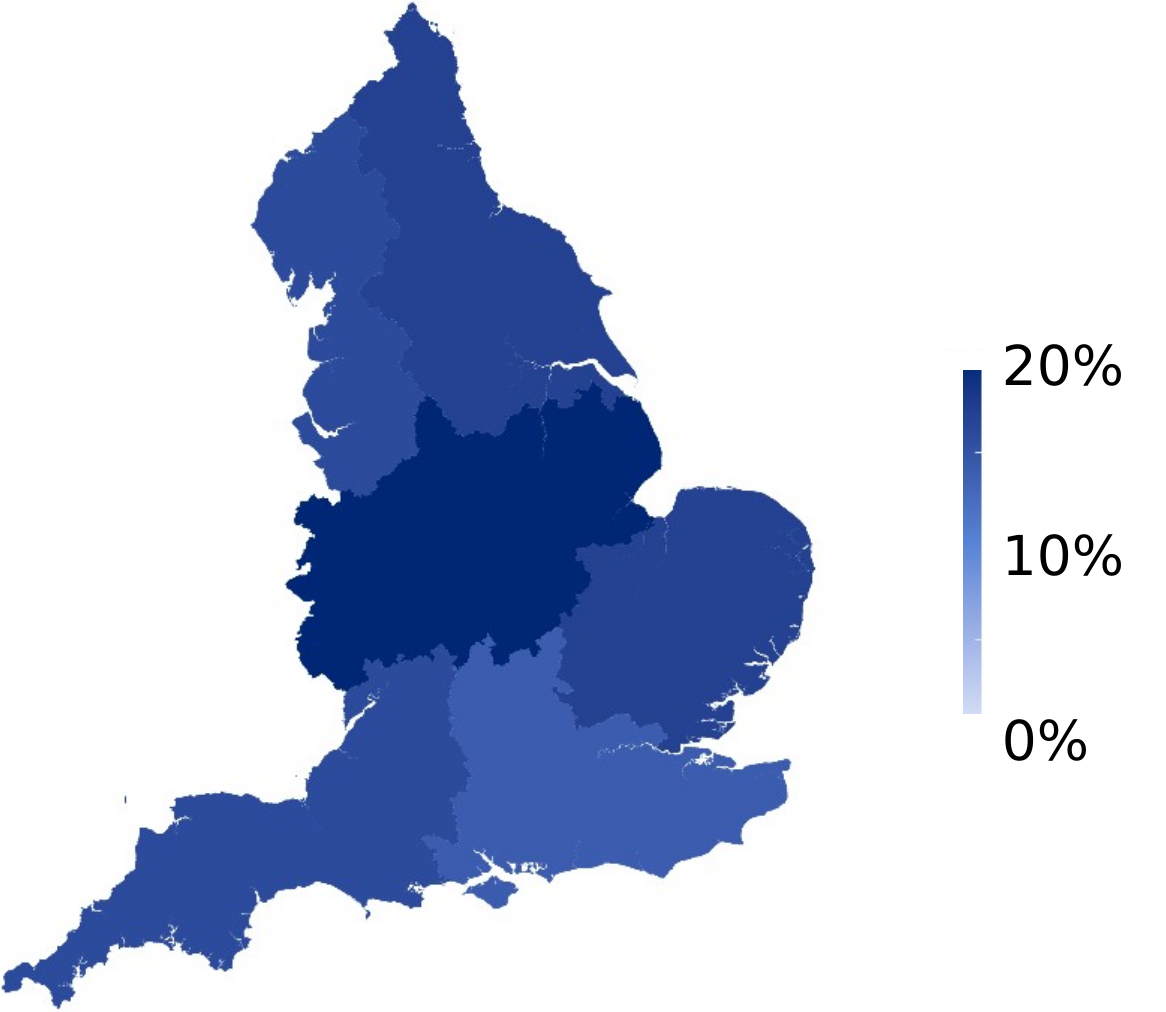
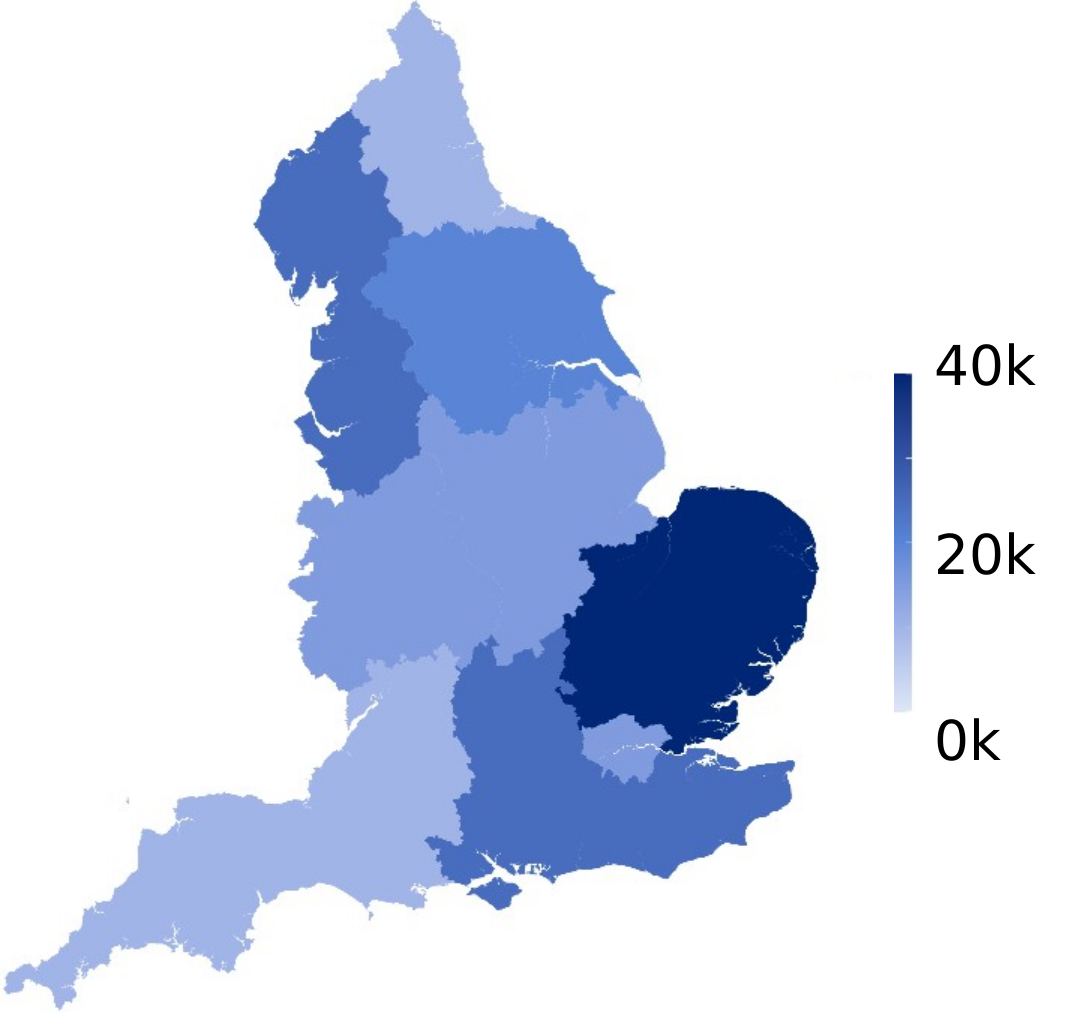
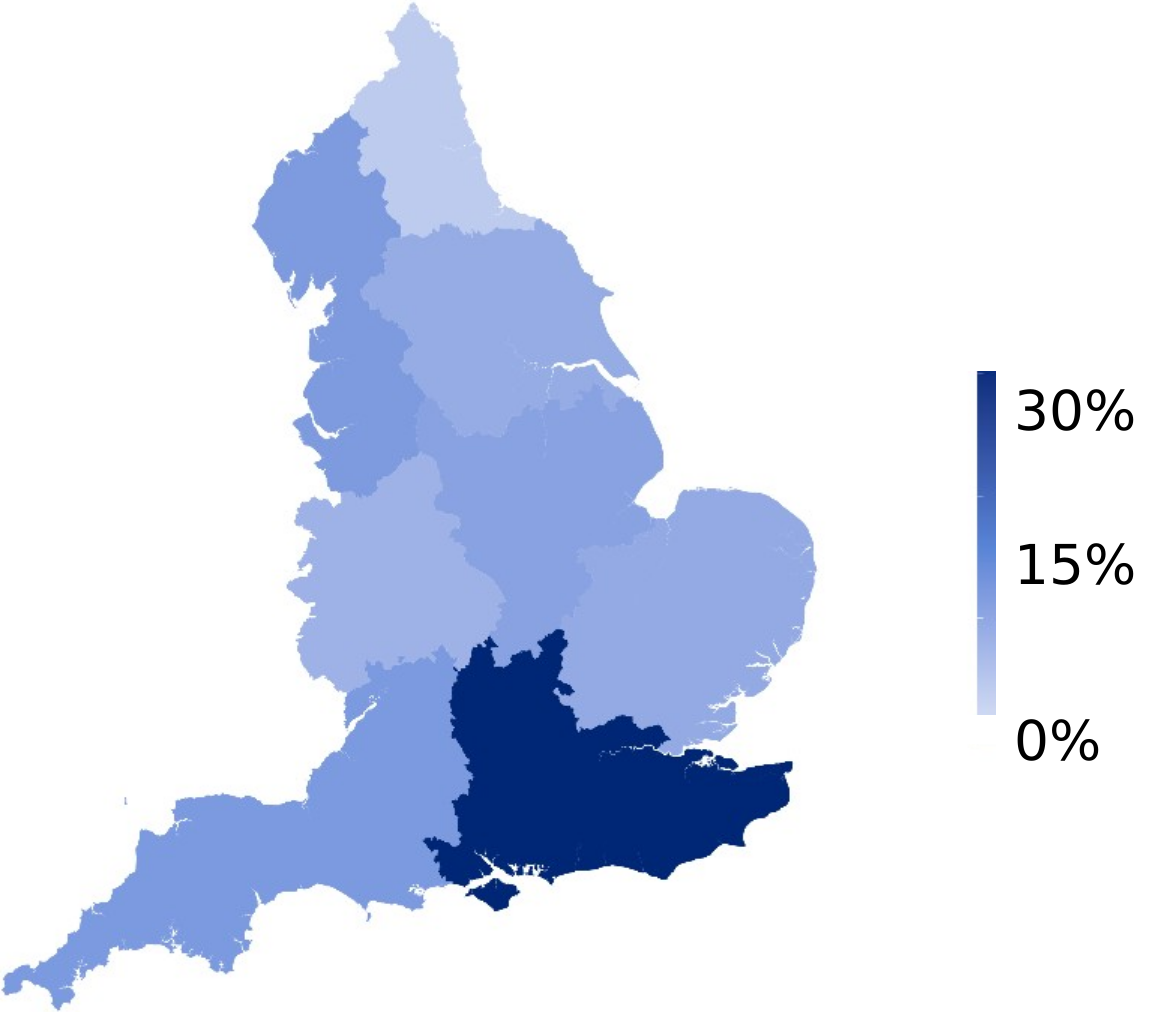
Figure 3: Comparison of England regional intensity out to 2030 by sector based on official expenditure and employment estimates, highways versus energy and water CEPA-EAM analysis of official published estimates from National Highways, DESNZ and Ofwat.5